Nanotechnology
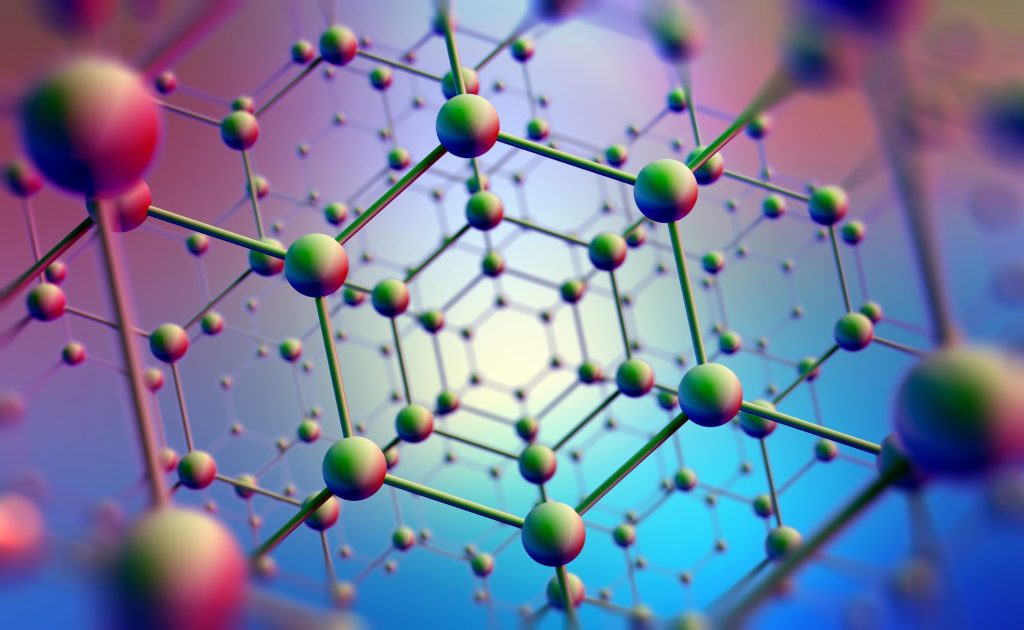
Nanotechnology is the study and engineering of materials and devices at the nanoscale, which is approximately 1 to 100 nanometers in size. To put that in perspective, a single strand of DNA is about 2 nanometers in diameter, and a human hair is about 100,000 nanometers in diameter.
Nanotechnology is a highly interdisciplinary field that involves researchers from various fields, including physics, chemistry, biology, engineering, and materials science. The goal of nanotechnology is to manipulate and control materials at the atomic and molecular level to create new materials, devices, and systems with unique properties and functionalities
Application of Nanotechnology:
- Electronics: Nanotechnology has enabled the development of smaller, faster, and more efficient electronics. Nanoscale materials such as carbon nanotubes and graphene have unique electronic properties that make them ideal for applications such as high-speed transistors, flexible displays, and energy storage devices.
- Medicine: Nanotechnology has the potential to revolutionize medicine by enabling the development of new drugs, medical devices, and diagnostic tools. Nanoparticles can be designed to target specific cells or tissues, and can also be used for drug delivery, gene therapy, and imaging.
- Energy: Nanotechnology has the potential to make renewable energy sources more efficient and cost-effective. Nanoscale materials such as quantum dots and nanowires can be used to improve the efficiency of solar cells, while nanogenerators can convert mechanical energy into electrical energy.
- Environment: Nanotechnology can also be used to address environmental challenges such as pollution and water purification. Nanoscale materials can be used to remove pollutants from water and air, and also to develop more efficient and cost-effective energy storage systems.
Advantage of Nanotechnology:
Improved Properties: Nanotechnology allows for the manipulation and control of materials at the atomic and molecular level, which can result in the creation of materials with improved properties such as strength, conductivity, and durability.
Novel Functionality: Nanoscale materials and devices can exhibit novel and unique functionalities that cannot be achieved with traditional materials. For example, nanoparticles can be designed to have specific optical, electrical, or magnetic properties, which can be used for various applications such as sensing, imaging, and drug delivery.
Increased Efficiency: Nanotechnology has the potential to make many processes more efficient, such as energy generation and storage, water purification, and drug delivery. For example, nanoscale materials can be used to improve the efficiency of solar cells and batteries, while nanosensors can be used to detect and remove pollutants from water and air.
Cost Reduction: Nanotechnology can also lead to cost reduction in various industries. For example, the use of nanomaterials in electronics can lead to smaller and more efficient devices, which can result in cost savings in manufacturing and energy consumption.
Environmental Benefits: Nanotechnology can also have environmental benefits by reducing waste and pollution. For example, nanotechnology can be used to develop more efficient energy storage systems and reduce greenhouse gas emissions, while also enabling the removal of pollutants from water and air.
Disadvantages of Nanotechnology:
Health and Safety Concerns: Nanoparticles can potentially cause harm to human health and the environment, as they can enter the body through inhalation, ingestion, or skin contact. The toxicity of nanoparticles is still not fully understood, and more research is needed to assess the potential risks.
Ethical and Societal Concerns: The development and use of nanotechnology raise ethical and societal concerns related to privacy, security, and equity. For example, nanotechnology can be used to develop advanced surveillance systems or military technologies, which can raise concerns about civil liberties and human rights.
Environmental Impact: The manufacturing and disposal of nanomaterials can have a negative impact on the environment, as nanoparticles can potentially accumulate in soil and water and affect ecosystems. The long-term effects of nanomaterials on the environment are still not fully understood.
Regulation and Standardization: The regulation and standardization of nanotechnology can be challenging, as it is a rapidly evolving field with many applications and potential risks. More research and collaboration are needed to establish guidelines and standards for the safe and responsible development and use of nanotechnology.
Cost and Accessibility: The development and use of nanotechnology can be costly, and it may not be accessible to all countries or communities. This can lead to inequality and disparities in access to the benefits of nanotechnology.
 Manitechnical View